THE CHASSIS PRESERVATION SYSTEM
Disipación de Energía Cinética.
Rigid Rebound.
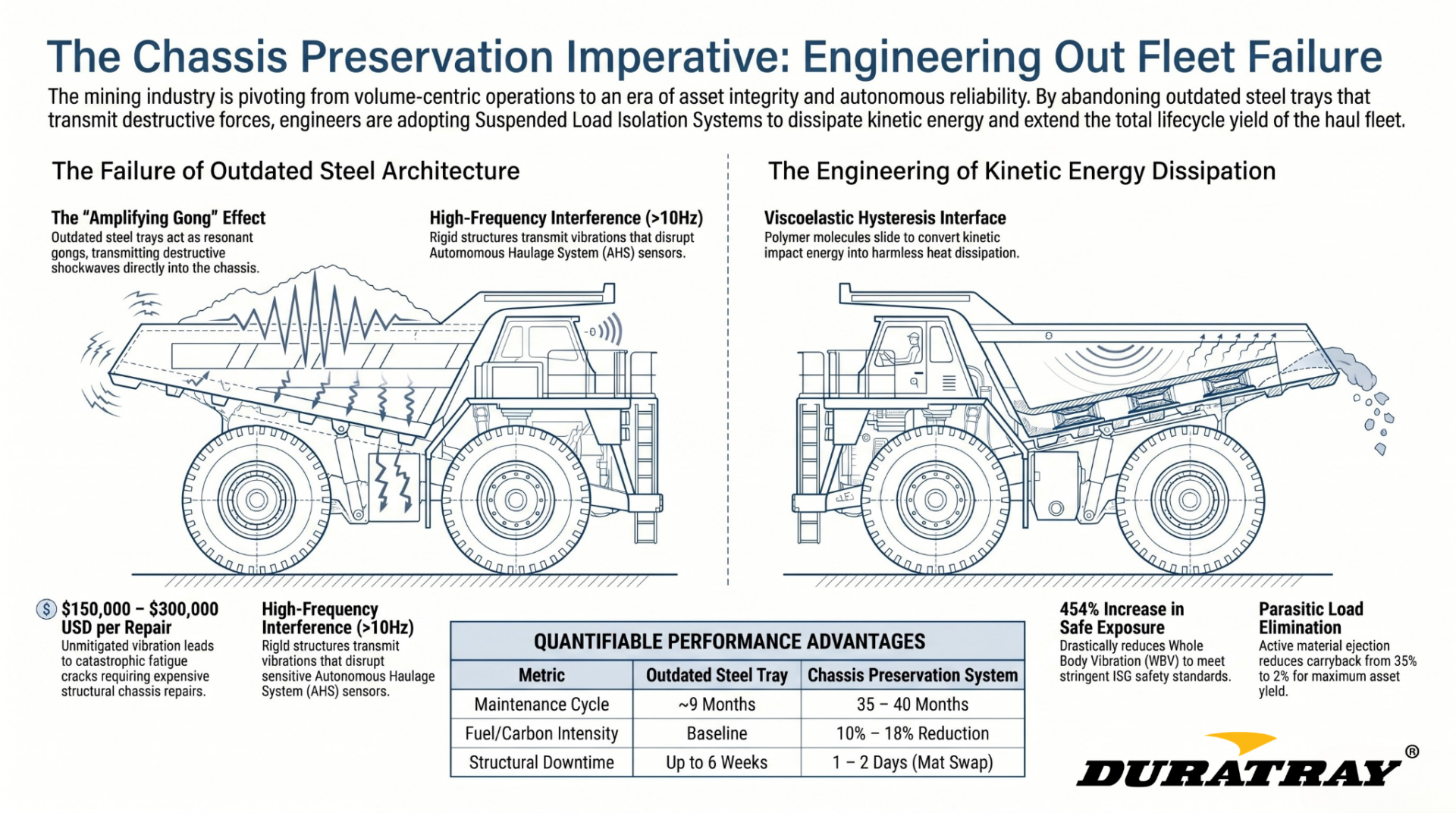
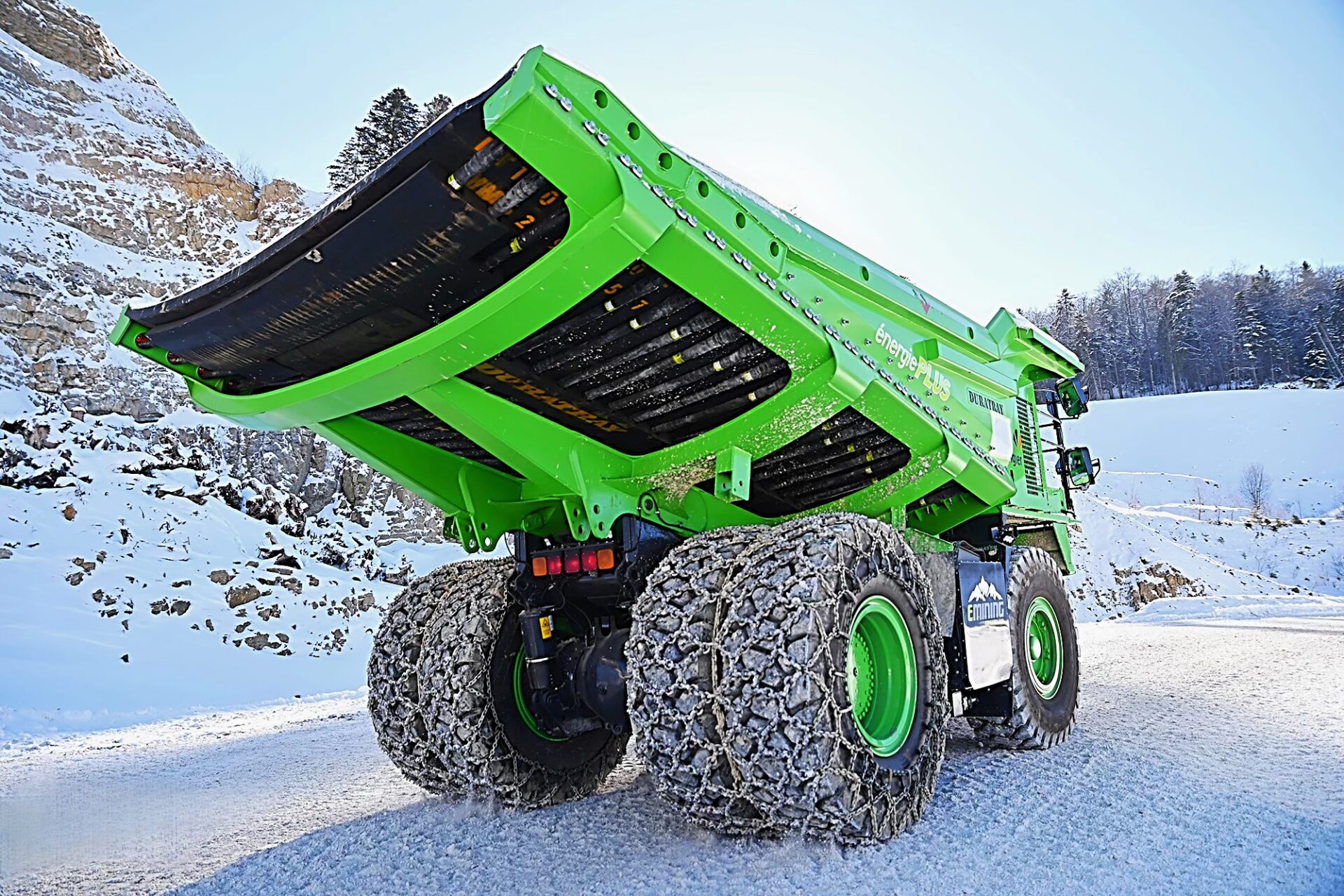
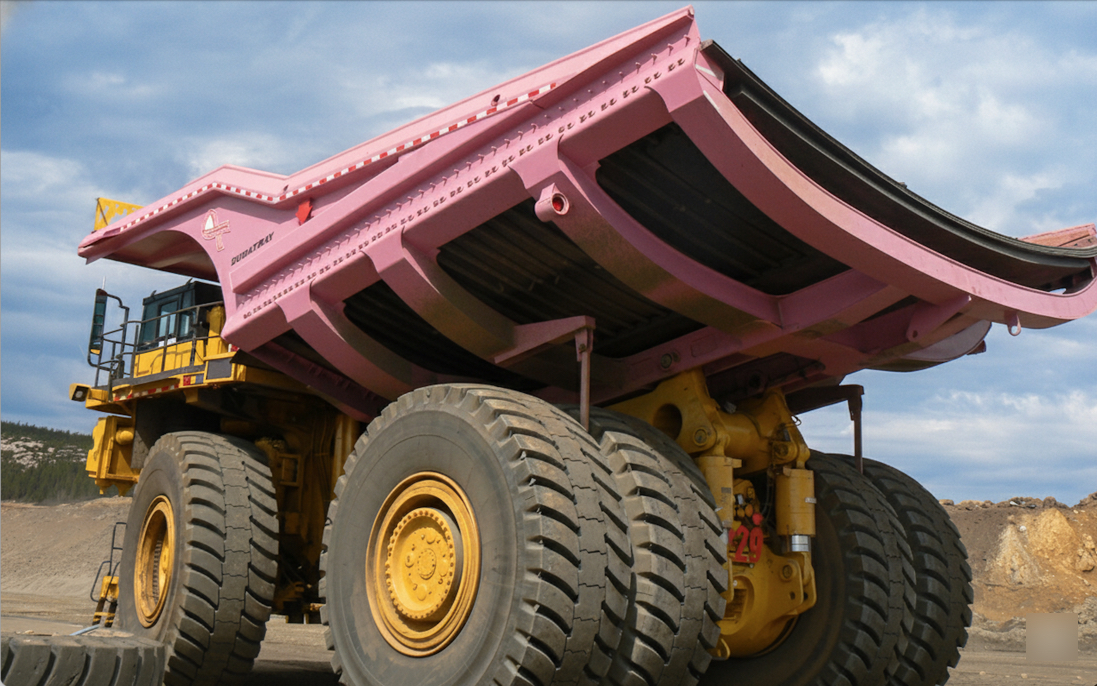
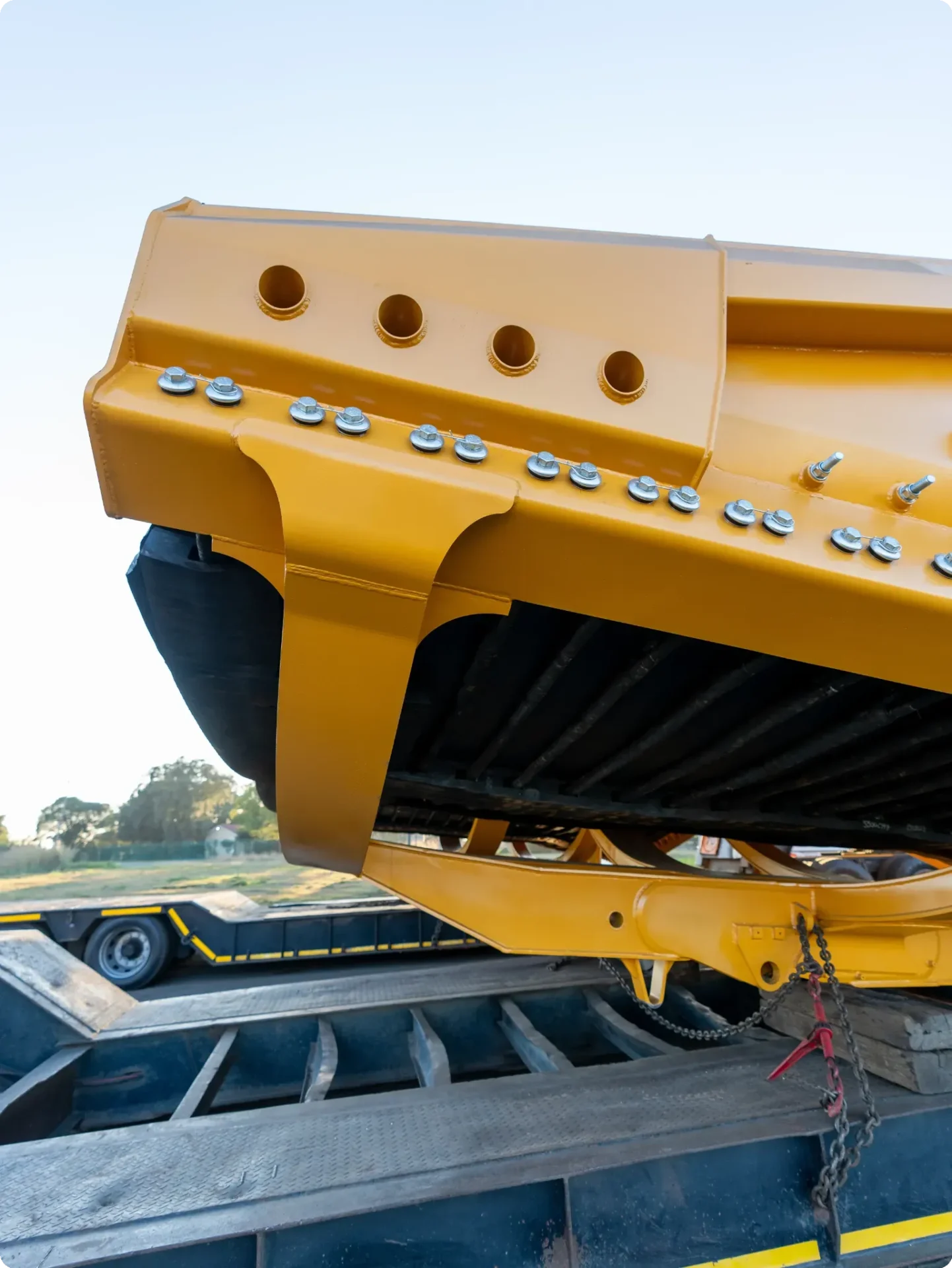
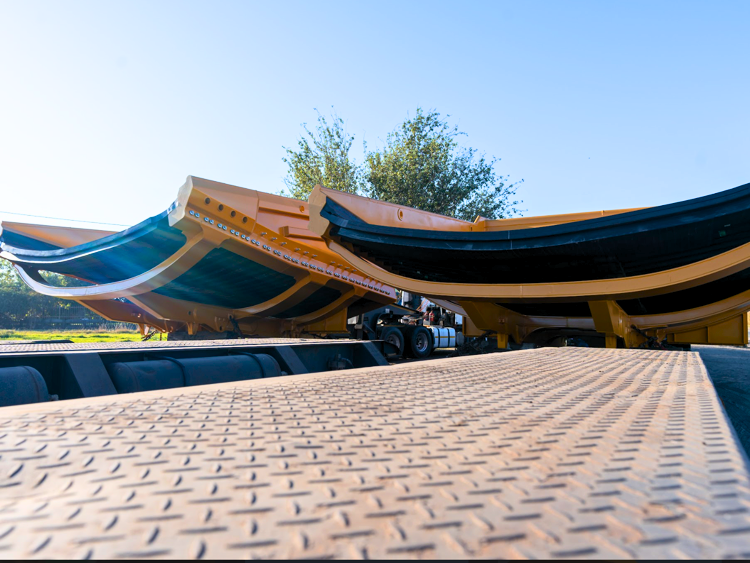
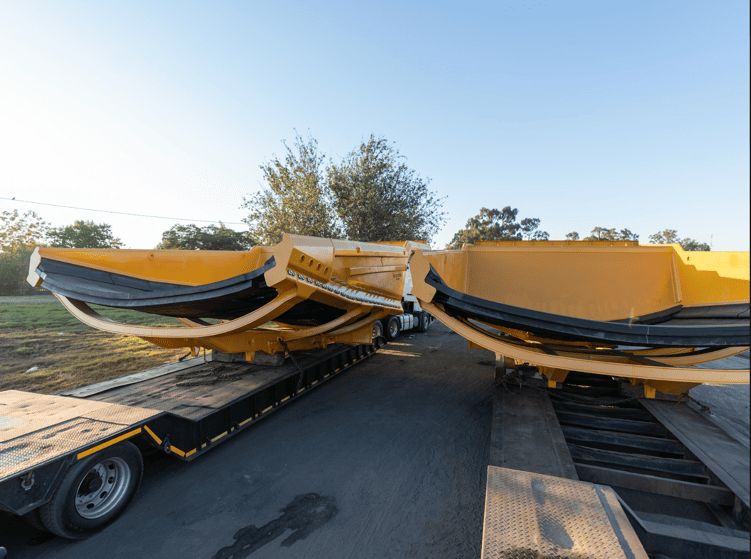
Steel bodies act like springs or gongs, transmitting shockwaves to your truck chassis. Our Viscoelastic Hysteresis Interface kills the energy before it reaches the frame.
We must address a critical mechanical failure embedded within the standard operating procedures of the global mining industry. Tier 1 operators invest hundreds of millions of dollars into complex hauling fleets, only to actively destroy these assets through a fundamental misunderstanding of impact physics. The normalisation of structural fatigue must end. It is time to protect your investments through advanced material science.
The Physics of Structural Violence
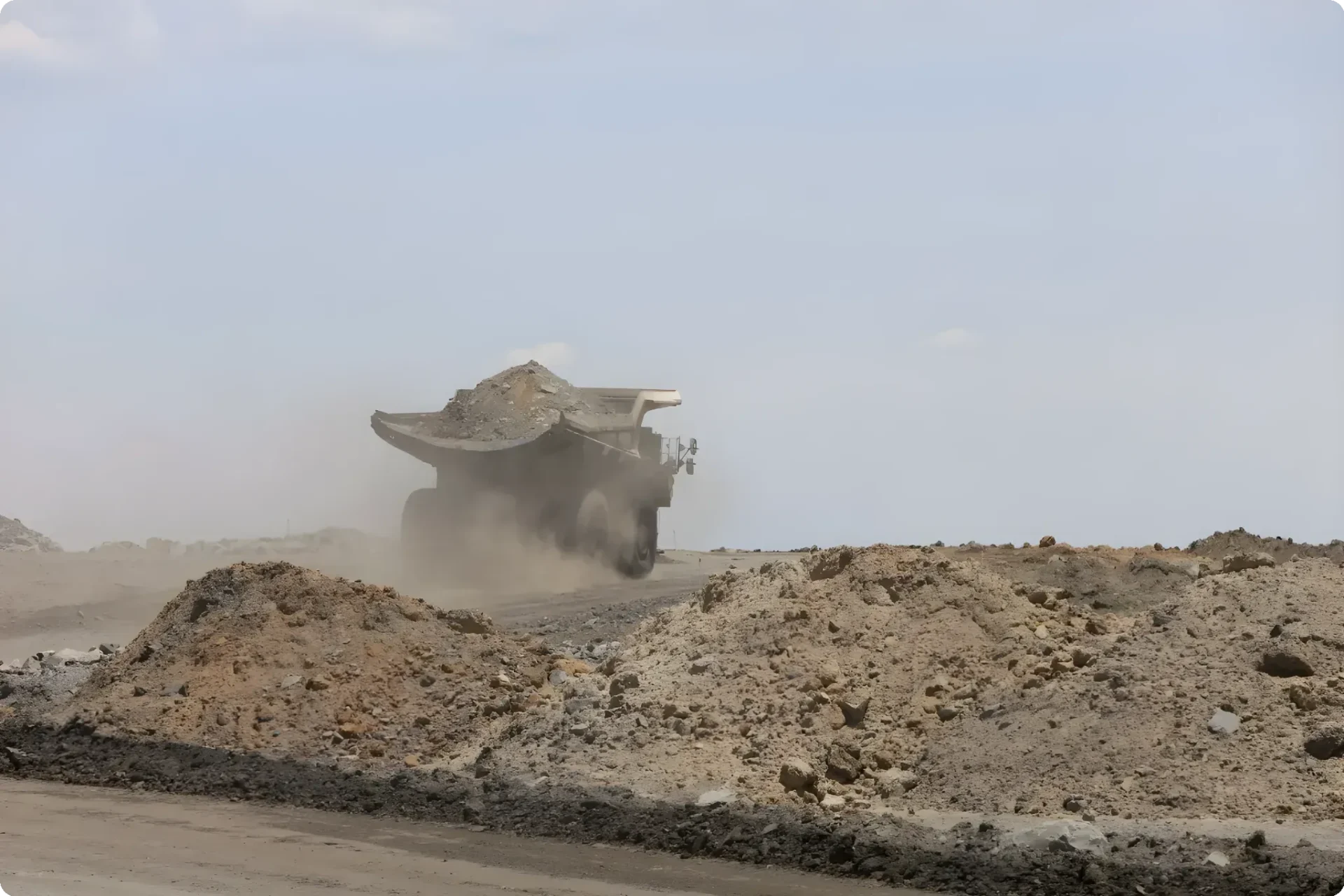
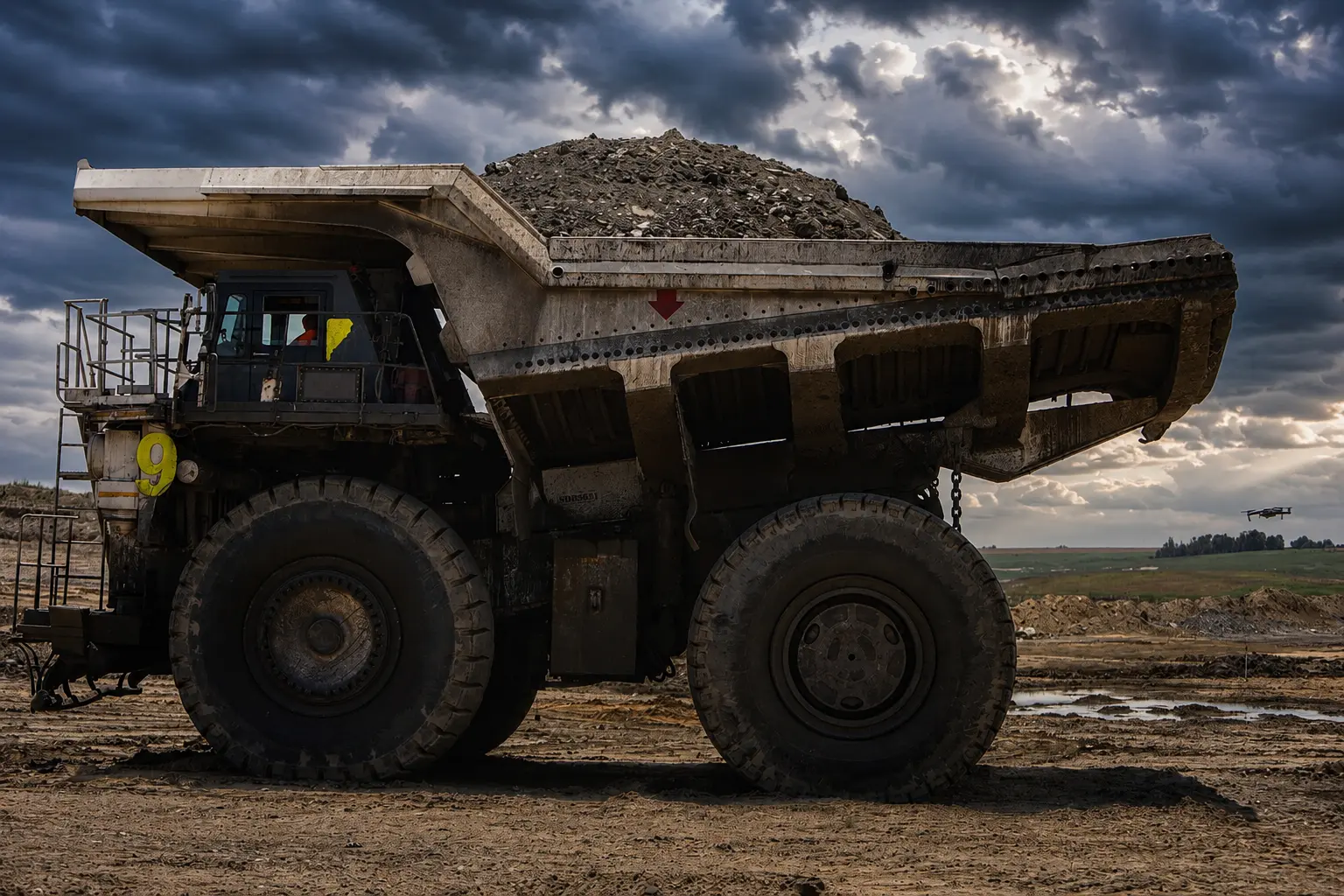
Outdated steel trays operate entirely on the dangerous principle of elastic rebound. When a massive shovel drops up to one hundred tonnes of abrasive rock onto a rigid steel floor, the metal reacts exactly like a tightly coiled spring or a massive gong. It absorbs the kinetic energy of the falling rock and immediately releases it as a violent, high-frequency shockwave.
This is not material containment. This is structural violence. Energy cannot be destroyed — in a rigid system, it travels along the path of least resistance. Every single loading cycle acts as a localised seismic event, hammering the structural integrity of the machine and tearing the truck apart from the inside out.
The shockwaves bypass the payload box and violently strike the truck chassis, suspension struts, wheel hubs, and the operator cabin — propagating destruction through every major system in the asset with each loading event.
The Financial Cost of the Rigid Rebound Effect
The commercial consequences of this rigid rebound are severe and compounding. Modern mining trucks are incredibly expensive assets, routinely costing upwards of five million dollars per unit, yet they are subjected to thousands of violent impacts every single month. Over time, these unrelenting shockwaves induce microscopic fractures within the highly stressed steel of the chassis. These microscopic fractures inevitably propagate into massive structural cracks, forcing operations to pull trucks out of the hauling circuit for extensive and highly expensive hot work welding.
$150,000+
Per chassis rebuild from structural fatigue cracks — before lost production is factored in.
$5M+
Year-round carryback measured at Canadian operations.
Furthermore, the acoustic properties of a rigid steel box create a literal gong effect. As heavy boulders strike the metal floor, field tests demonstrate that operators and surrounding personnel are routinely subjected to dangerous noise levels that compromise workplace safety, induce auditory fatigue, and breach strict environmental guidelines.
Proven in the Field
Measurable Asset Integrity and Operator Welfare
By neutralising the shockwave at the exact point of impact, the Duratray architecture delivers measurable protection across the entire asset and its human operator. The performance results are extensively documented in Tier 1 operational environments globally.
58%
Vibration Attrition
Health-weighted WBV values drop from a dangerous 0.611 m/s² down to 0.259 m/s², eliminating the structural shudder that tears chassis welds apart and degrades suspension components.
454%
Operator Endurance
Scientifically verified increase in safe exposure time. Drivers experience a smoother shift, translating directly to higher productivity, sharper focus, and significantly reduced absenteeism.
5.5dB
Acoustic Attenuation
From 92.3 dB down to 86.8 dB — a massive logarithmic collapse in sound pressure. Immediate compliance with occupational health regulations and long-term auditory protection for your workforce.
MAINTENANCE & UPTIME
The Maintenance Velocity Advantage
Preserving the chassis is only one component of total asset yield. The Viscoelastic Hysteresis Interface drastically changes the entire maintenance profile of your fleet. Outdated steel bodies require heavy hot-work welding and constant wear plate replacements due to the relentless abrasive impact of loaded rock.
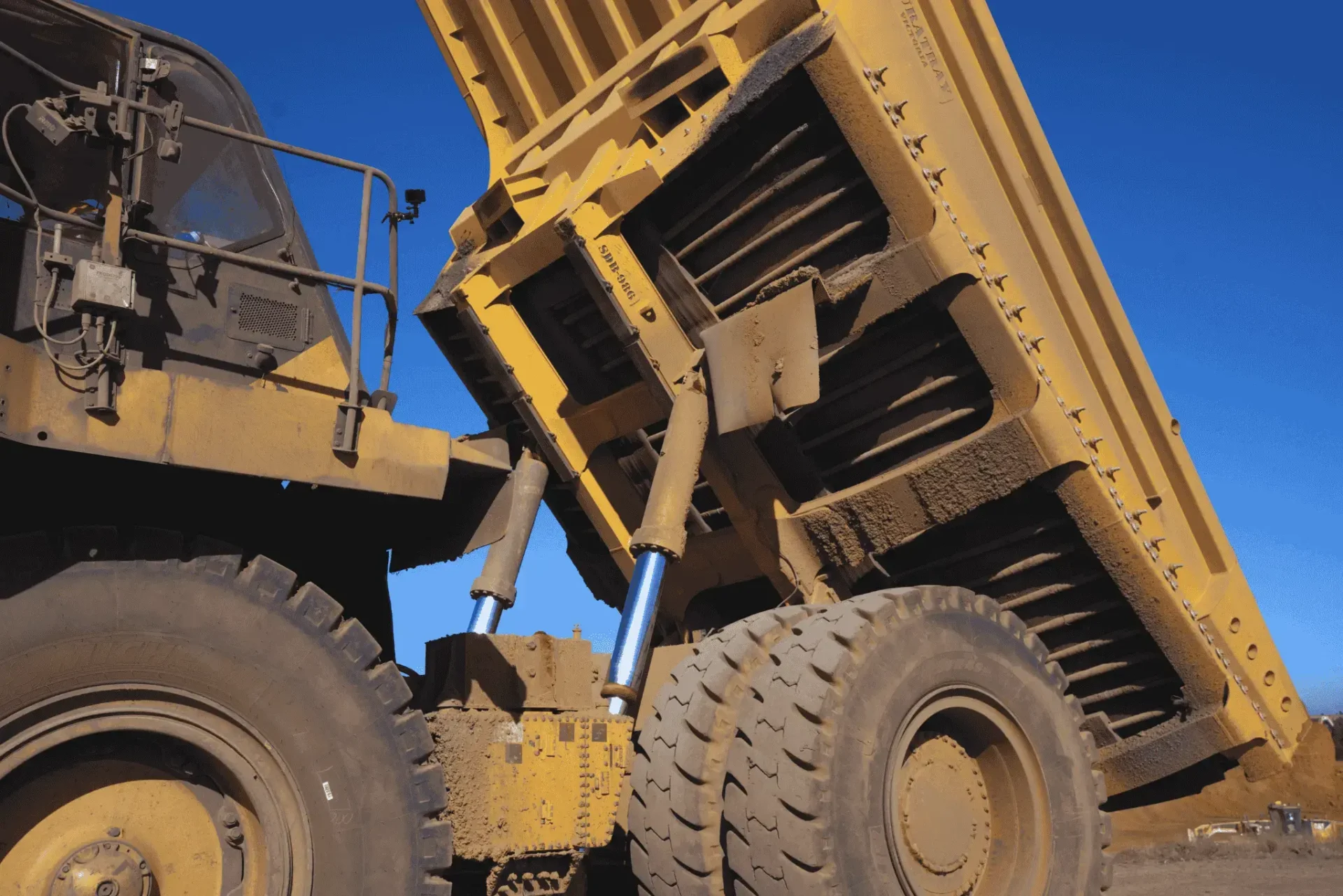
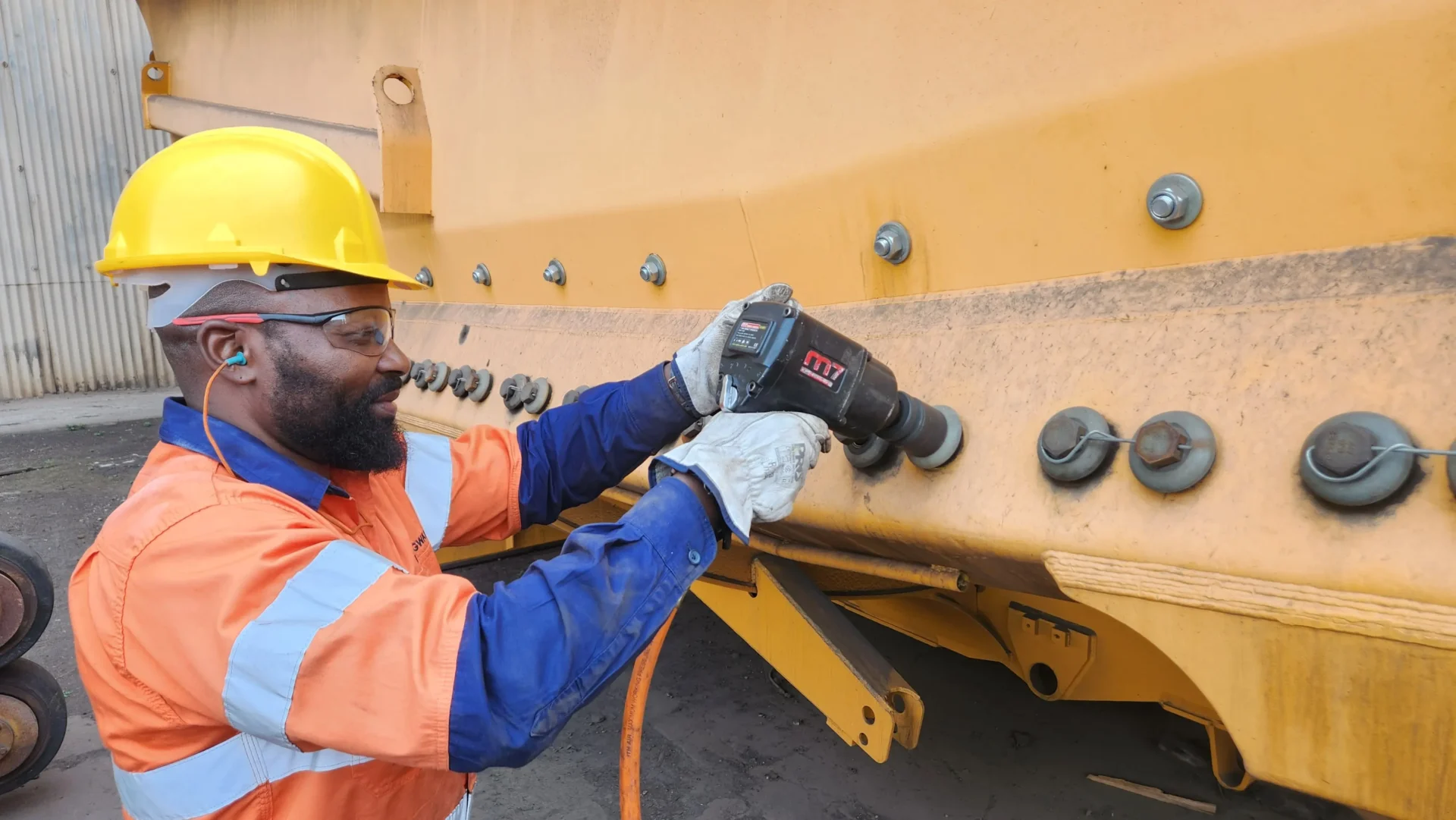
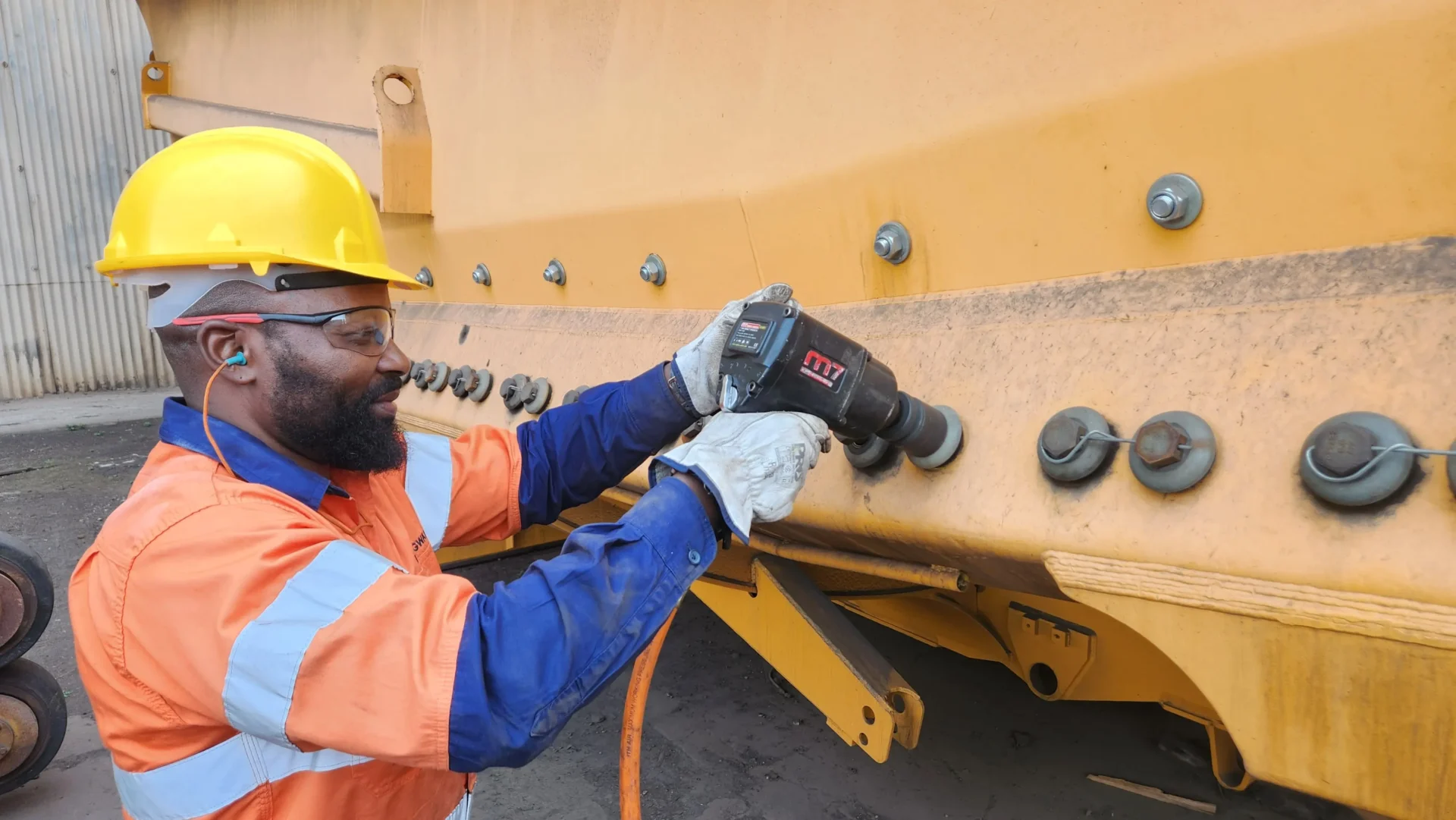
The Duratray architecture removes hot work from the equation almost entirely. The suspended rubber mat absorbs abrasion just as effectively as it absorbs impact. When maintenance is finally required, the modular system relies on tensioned synthetic ropes and simple mechanical bolts — serviceable with standard hand tools in a fraction of the time required to cut, prep, and weld heavy steel plates.
10 Hours
Reduction in downtime per maintenance event. Your multi-million-dollar assets stay on the haul road generating revenue, rather than sitting in the workshop bleeding operational capital.
WBV Reduction
Safe Exposure Increase
Reducción de ruido
Maintenance Time Saved
Kill the shockwave. Protect your chassis. Secure the total operational lifespan of your fleet.
Transitioning to the Duratray Suspended Isolation system architecture is not merely an optional upgrade — it is a mandatory strategic pivot to protect your capital equipment. Demand true kinetic energy dissipation.
Perspectivas e Innovaciones
Continue the Engineering Case